At Seatrade Cruise Global 2026 in Miami this spring, the emphasis was clear: profits and shareholder value are the watchwords of the day. As they should be – cruise lines took on massive amounts of debt during the pandemic, particularly Carnival Corporation, Norwegian Cruise Line Holdings, and Royal Caribbean Group.
The rush for profitability at all costs, however, has started to dilute the onboard product – and nowhere is this more apparent than in the mainstream cruise sector. Understaffing, once an isolated issue, has become a modus operandi for many cruise lines eager to trim costs. Ditto the removal of those little niceties like pillow chocolates and printed daily programmes – though the latter have clawed their way back after passenger pushback on many lines.
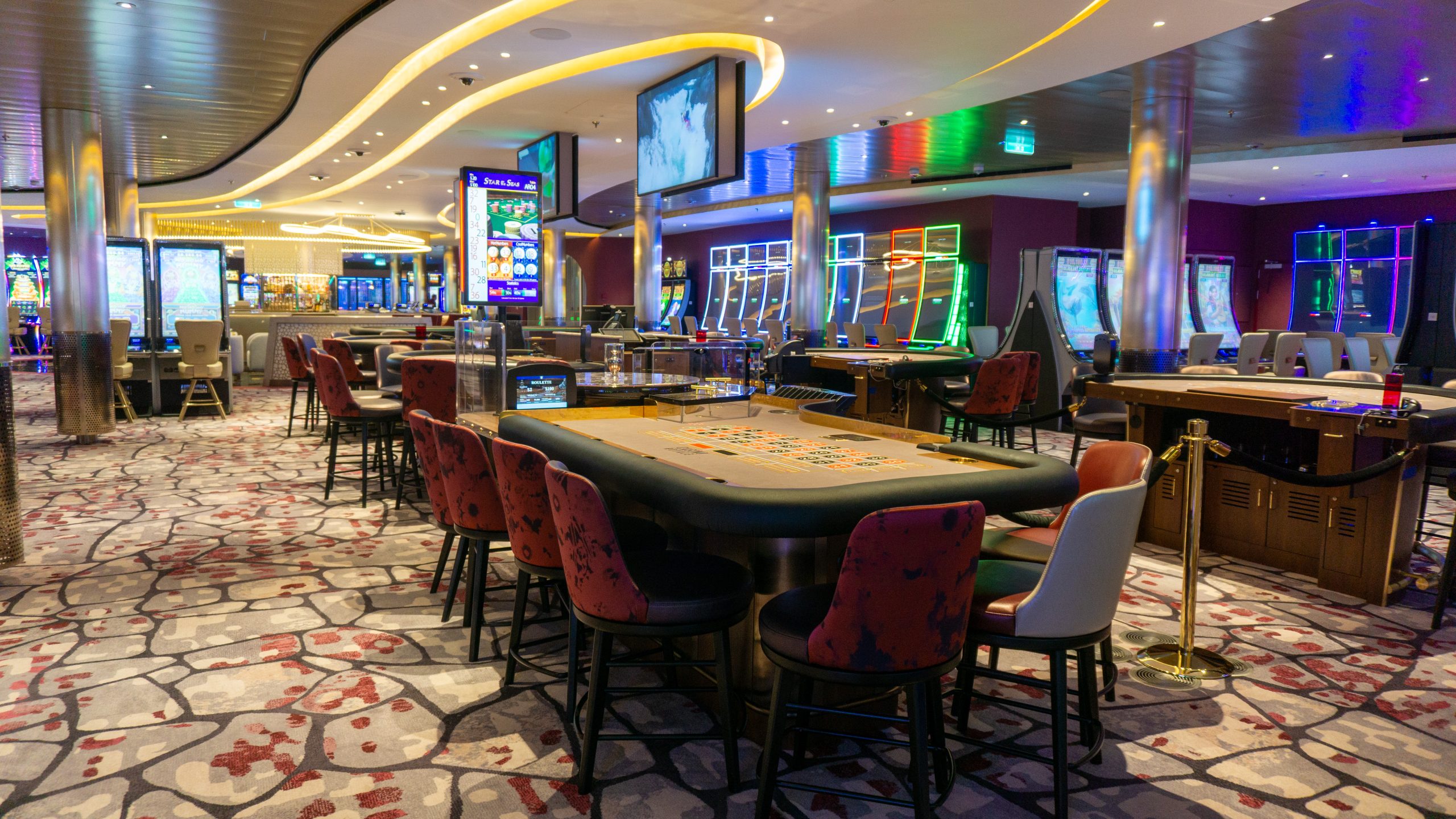
Many cruise operators have also begun expanding casinos by removing lounges and public rooms. Both Royal Caribbean and Princess Cruises have gone down this route in recent years, with Royal Caribbean heavily retrofitting ships this year to expand onboard gaming options, and Princess Cruises removing the Take Five jazz club on its Royal-class ships in order to increase the casino’s footprint. Carnival Cruise Line did something similar with Carnival Glory, which emerged from dry-dock with a new non-smoking casino (in addition to the old one), in place of Carnival’s Club O2 kids club, which was relocated).
Cruise lines are also adding staterooms and suites to every conceivable nook and cranny. Holland America Line recently made former officers’ cabins aboard its Vista-class ships available for passengers to book, as has Princess. Cunard Line quietly, and somewhat controversially, revealed it will turn its onboard bookshop on Queen Mary 2 into a suite in an upcoming dry-dock.
The trouble is that these refits do two things: they decrease the overall passenger–space ratio by adding cabins and removing public rooms, and they prioritise gambling (and thus revenue) over passenger comfort. The winners here are shareholders and executives, not passengers.
We’ve heard many a cruise executive grumble about the success of Viking, which, now that the line is publicly traded, must be facing some outward pressure to drive revenue. But Viking has always publicised that what it lacks is part of its success. The line does not have casinos, art auctions, or onboard photographers – all things prized by mainstream lines as key revenue drivers. And, as long as founder Tor Hagen remains involved, it is unlikely those things will change.
Upper premium and luxury lines are leading the way in adding (or removing) features that increase passenger comfort, but not always: ultra-luxury line Silversea removed most of the spacious Silver Suites aboard the 2009-built Silver Spirit in a bid to increase capacity, and thus drive revenue.
Crystal Cruises, headed by former Silversea boss Manfredi Lefebvre, has taken the opposite tack, much to the pleasure of passengers. It has reduced capacity across its two-ship fleet, expanded suite offerings and refitted vessels with new and refurbished venues. It even took the bold step of removing onboard casinos a few years back to create additional passenger space on board – a marked difference from mainstream lines (though it has added casinos back in a smaller form).
To be fair to mainstream lines, they are under enormous pressure to fill the vessel at all costs, and to encourage people to spend in order to drive onboard revenue in a way that luxury lines aren’t.
But the question becomes: how much more can mainstream lines afford to cut service and passenger–space ratios before consumers start looking elsewhere? Mainstream lines are in a race to outdo one another when it comes to who offers the most dining options, bars and lounges, and increasingly spectacular production shows. But is that money better spent on 27 onboard restaurants and celebrity food and beverage partnerships that rise and fall like the changing of the seasons? Or would it be better invested in improving onboard service and staffing, and food and beverage quality?
The phrase “value proposition” was bandied about at Seatrade as if it were an ethos. And executives aren’t wrong: today’s cruises offer an amazing value proposition when compared to land-based vacations. But that proposition only holds as long as consumers perceive there to be a value in cruise. The more that mainstream lines reduce service standards and increase passenger capacity, the more some of those consumers will start to look elsewhere.
That can be a slippery slope. One only has to look at the history books and the fate of Home Lines, Royal Viking Line, Commodore Cruise Line, Premier Cruise Lines, and others to see what can happen.