Though many in the travel and tourism industries have tried to put a happy face on it, the fact remains that travel continues to soften in many areas. Demand for international travel to the United States has weakened in recent years, while European travel has been affected by the conflict in the Middle East and the war between Russia and Ukraine.
In the aviation sector, the collapse of US discount airline Spirit, coupled with declining service, rising ancillary fees, and reduced route frequency for many carriers, has made flying more expensive and unpalatable than before.
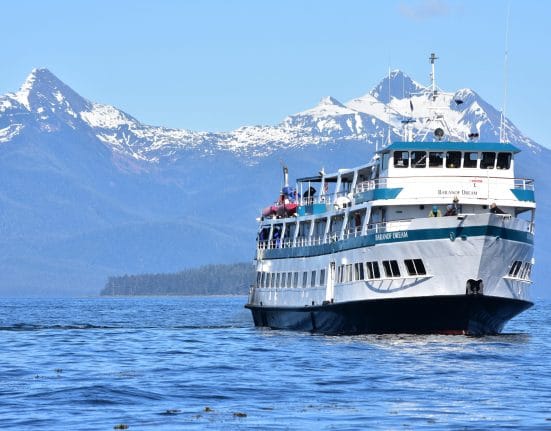
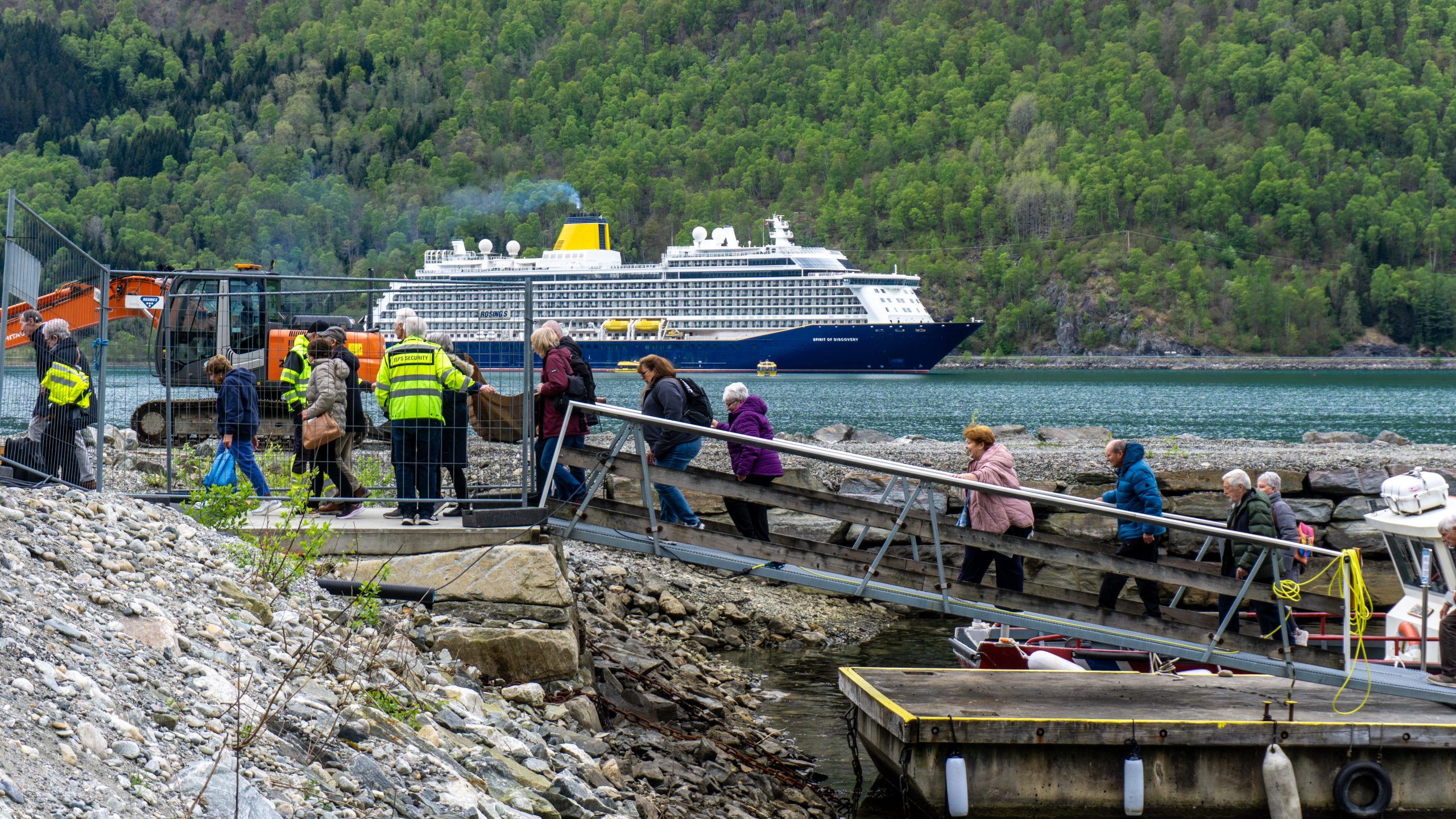
The cruise industry has, for the most part, managed to weather the storm. The conflict in the Middle East disrupted the tail end of the cruise season there, and bookings remain strong for many destinations – though softening demand has been reported for European and Alaskan cruises.
As we move into Q3 2026, are cruise lines at risk for softening travel demand amidst rising inflation and global conflict?
Cruise’s Longer Lead
Booking patterns for cruise work differently than in the hotel and aviation sectors. Early booking is not uncommon in cruise – sometimes two to three years in advance. But all cruise lines report seeing an uptick in “close-in” bookings that are nearer to sailing. This shows that consumers are willing to spend but are choosing to do so later than in years past.
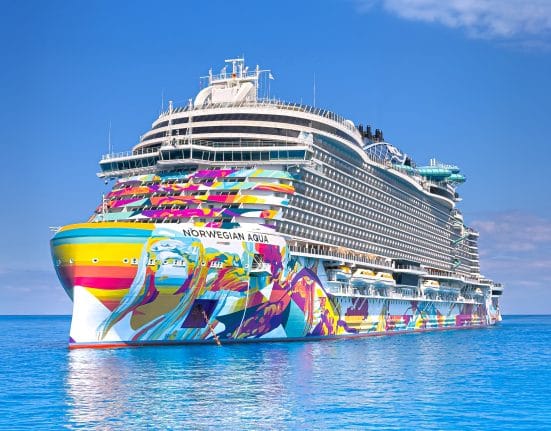
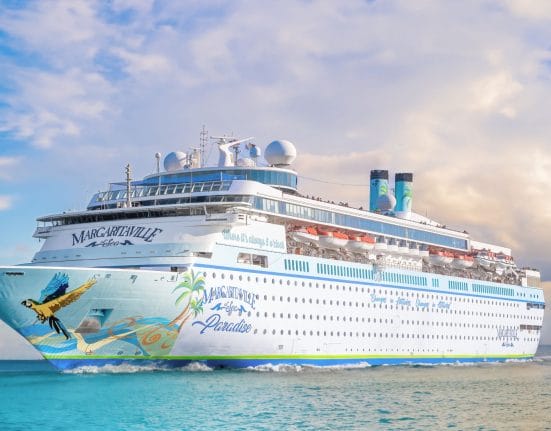
Because of this longer lead time for bookings, it’s entirely possible that the full effects of these global factors won’t be felt, largely, until Q4 2026 or even Q1 2027. Cruise lines are trying to mitigate any potential downtick in bookings by placing their ships in popular destinations like the Caribbean, but with new tonnage coming online this year, those markets may be close to the over-saturation point, particularly for lines with multiple vessels in the same region.
External Considerations
While US-based “drive-up” ports continue to be popular with those who wish to avoid airfare costs and hassles, many guests who are not located near a major cruise port will still be stuck flying to their ports of embarkation. And with aviation seeing increased fares and rising fuel costs, that could trickle down to consumers who may be reluctant – or unable – to spend the money required to fly to more exotic itineraries.
However, as the industry enters the summer months, signs are still positive that cruise will remain healthy and viable despite these challenges.
— Aaron Saunders, Digital Editor